

Is the Apple MacBook Air 13-inch (M3, 2024) Worth It in 2026?
Quick Verdict:
Yes—the M3 chip and 18-hour battery life make it a smart investment in 2026.
How This Verdict Was Reached
PageBen prioritizes usefulness for US shoppers. Affiliate commission does not decide recommendations, rankings, or verdicts.
Sources Checked
Official specifications, Retailer ratings, Manufacturer documentation, PageBen research.
Decision Factors
We weigh processor class, memory, display quality, battery life, ports, weight, and upgrade limits.
Editorial Standard
Research-based analysis from documented specs, published lab measurements, and verified-buyer evidence. Any hands-on note is labeled as such. Full methodology.
Is Apple MacBook Air 13-inch (M3, 2024) worth it? Yes, especially for those who need a high-performance, portable laptop. The M3 chip significantly boosts performance, making it a top choice for productivity and light creative work. This model is great for professionals and students who need a reliable machine on the go but not ideal for heavy gamers or those requiring extensive storage options.
Is the Price Justified?
The price is justified considering the performance gains from the M3 chip, which offers a substantial leap over previous generations. At a time when productivity is key, having the 8-core CPU ensures you can multitask efficiently without lag. For users needing to run intensive applications, the 18-hour battery life means you won't be tethered to a charging cable during your busy day, enhancing overall productivity. Compared to competitors in 2026, the performance-to-price ratio is compelling, especially when considering that many laptops at this price point might not offer the same level of efficiency and battery longevity. You're essentially investing in a machine that will serve well into the future, justifying the upfront cost.
3 Reasons to Buy
1. Unmatched Performance with M3 Chip
Moreover, the fanless design ensures silent operation, making it ideal for quiet environments like libraries or meetings. You'll appreciate the seamless experience during video calls or while watching movies, thanks to the efficient thermal management that keeps the laptop cool without noisy fans.
2. Exceptional Battery Life
This battery performance also means you can enjoy leisure activities like streaming or browsing the web without constantly worrying about plugging in. In a world where being mobile is key, this feature significantly enhances usability and convenience.
3. Stunning Display Quality
Additionally, the wide color (P3) support means that your media will have more depth and richness, making it a joy to use for any visual work. You’ll find that the display greatly enhances the overall experience, making it well worth the investment.
Reasons to Skip It
Limited RAM and Storage Options
Since the RAM and storage are not user-upgradable, you're essentially locked into your initial configuration. This could be a dealbreaker for power users or those planning to keep their laptop for several years without needing to upgrade.
Thermal Throttling Under Load
This limitation means that if your work involves high-demand applications regularly, you might want to consider a more powerful model with active cooling to avoid performance dips.
Technical Analysis
Key Specs at a Glance
The Apple M3 chip is a game-changer, featuring an 8-core CPU with 4 performance and 4 efficiency cores. This means you get plenty of power for everyday tasks and even some heavier workloads, making it a strong competitor in 2026 against other premium laptops. The 8-core or 10-core GPU options allow for decent graphics performance, suitable for casual gaming and creative tasks. However, it lacks the 120Hz refresh rate found in some competitors, which may affect users who prioritize smoother visuals. The 13.6-inch Liquid Retina display at 2560 x 1664 resolution is stunning, with 500 nits brightness and wide color (P3) support, making it excellent for media consumption and content creation. Battery performance is also impressive, with a 52.6 Wh battery lasting up to 18 hours, a significant advantage for on-the-go users who may not have access to a charger. However, the fanless design can lead to thermal throttling under heavy loads, which could be a consideration for some users.
Compare with similar options:
Who Is This For?
This MacBook Air is best suited for professionals and students who need a reliable, portable laptop for everyday tasks and some creative work. The M3 chip and 18-hour battery life make it an strong fit for those who prioritize performance and mobility. Not ideal for gamers or users requiring extensive storage options, as the base model's 256GB storage may not suffice for large files or gaming libraries.
How It Stacks Up Against Alternatives
Ranks in the top tier of high-end options, placing #2 out of 10 products we track.
Direct Competitors:

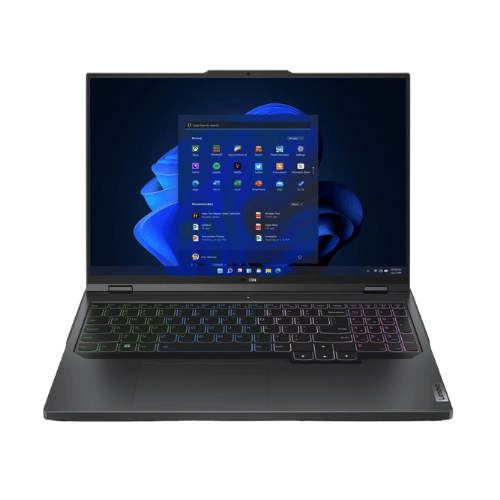
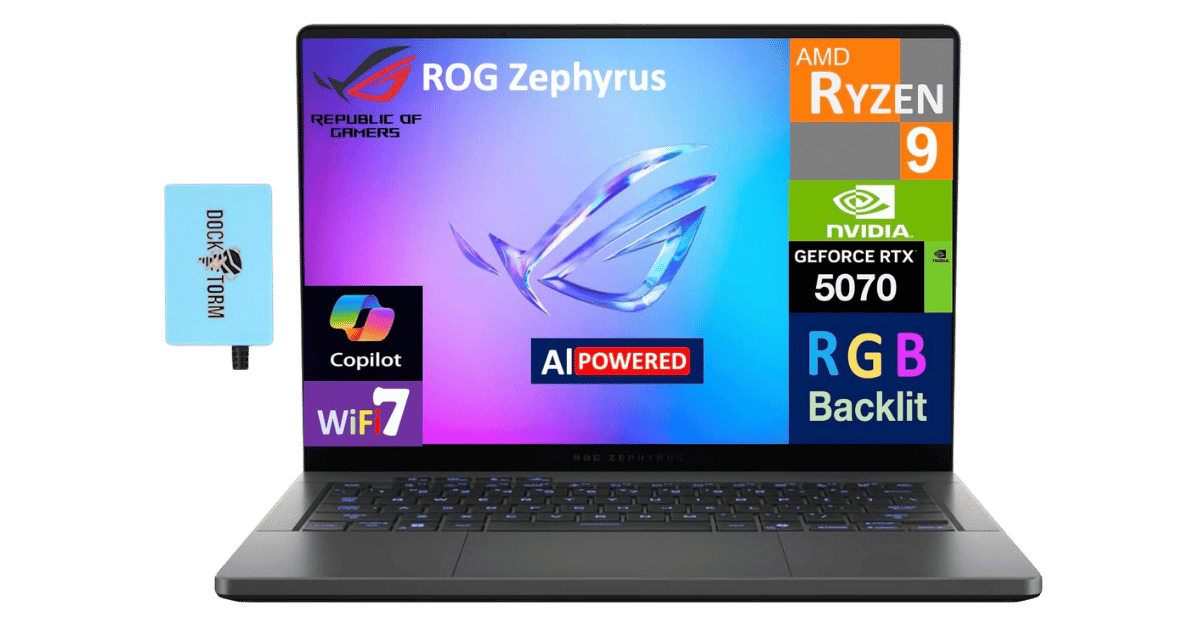
On a Budget? Consider These:
What to Expect Long-Term
Beyond the initial purchase, here's what to consider about owning the Apple MacBook Air 13-inch (M3, 2024):
Durability
Premium laptops with metal builds typically last 5-7 years. Battery capacity may degrade to 80% after 2-3 years.
Support & Warranty
Apple offers the longest software support (5+ years). Windows laptops vary by manufacturer.
Upgrade Path
Consider upgradeability: RAM and SSD upgrades can extend useful life by 2-3 years.
Resale Value
Budget laptops have minimal resale value after 2 years—plan to use until end of life.
Final Decision: Should You Buy It?
✓ Buy if:
- You need a lightweight laptop for productivity and media consumption.
- You value long battery life and silent operation.
- You appreciate high-quality displays for creative work.
✗ Skip if:
- You require extensive RAM for heavy multitasking.
- You often work with large files and need more storage capacity.
The Apple MacBook Air 13-inch (M3, 2024) earns its price tag. The M3 chip and 18-hour battery life alone make it worth it for professionals and students who need a reliable laptop. PageBen believes that for those who fit this profile, this MacBook Air is a no-brainer investment.
Quick Questions
+ Is the Apple MacBook Air 13-inch (M3, 2024) worth buying in 2026?
Yes—the M3 chip and 18-hour battery life make it a smart investment in 2026.
+ What are the main pros of Apple MacBook Air 13-inch (M3, 2024)?
Key advantages: Significantly faster M3 chip with hardware-accelerated ray tracing; First MacBook Air to natively support two external monitors (in clamshell mode); Completely silent fanless operation. These make it a strong choice in the laptops market.
+ What are the downsides of Apple MacBook Air 13-inch (M3, 2024)?
Main considerations: Base model starts with only 8GB RAM and 256GB storage (slow SSD speeds on 256GB); Limited to 60Hz refresh rate (no ProMotion 120Hz); Zero user-upgradeability for RAM or storage. Consider whether these affect your specific use case.
+ How long will the Apple MacBook Air 13-inch (M3, 2024) last?
Premium laptops with metal builds typically last 5-7 years. Battery capacity may degrade to 80% after 2-3 years.
+ What warranty does Apple MacBook Air 13-inch (M3, 2024) come with?
Apple offers the longest software support (5+ years). Windows laptops vary by manufacturer.
+ How does Apple MacBook Air 13-inch (M3, 2024) compare to alternatives?
Ranks in the top tier of high-end options, placing #2 out of 10 products we track. Direct competitors include Dell XPS 13 (9340, 2024) — Intel Core Ultra 7 155H, Lenovo Legion Pro 5i 16 Core i7-13700HX, ASUS ROG Zephyrus G14 (2025, RTX 5070). Check our detailed comparison pages for head-to-head analysis.
+ Where can US buyers get Apple MacBook Air 13-inch (M3, 2024)?
For US buyers, Amazon offers competitive pricing, fast Prime shipping, easy returns, and reliable warranty support. Use our link above to check current availability and pricing—prices can fluctuate frequently.