
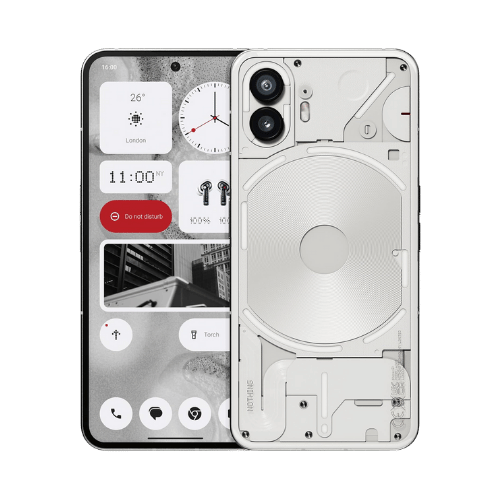
Is the Nothing Phone (2) Worth It in 2026?
Quick Verdict:
Yes—the Snapdragon 8+ Gen 1 and stunning 6.7" LTPO OLED display make it a standout choice.
How This Verdict Was Reached
PageBen prioritizes usefulness for US shoppers. Affiliate commission does not decide recommendations, rankings, or verdicts.
Sources Checked
Official specifications, Retailer ratings, Manufacturer documentation, PageBen research.
Decision Factors
We weigh camera system, display, battery life, software support, performance, storage, and carrier fit.
Editorial Standard
Research-based analysis from documented specs, published lab measurements, and verified-buyer evidence. Any hands-on note is labeled as such. Full methodology.
Is Nothing Phone (2) worth it? Yes, it offers top-tier performance and a unique design that justifies its price. With a 6.7" LTPO OLED display that adapts from 1Hz to 120Hz, it enhances every scroll and swipe. This phone is perfect for tech enthusiasts and those who appreciate design but may fall short for users needing extensive camera capabilities.
Is the Price Justified?
The Nothing Phone (2) is priced competitively for a premium smartphone, especially considering the Snapdragon 8+ Gen 1 chipset that ensures smooth performance for multitasking and gaming. For its price point, you’re getting up to 12GB of RAM and 512GB of fast storage, which is substantial for power users. The three years of Android OS upgrades and four years of security updates provide a solid return on investment, ensuring longevity in a rapidly evolving tech landscape. When compared to similar devices like the Pixel 7 or Galaxy S23 FE, the Nothing Phone (2) holds its ground with a 4,700mAh battery that lasts throughout the day, and it can charge fully in just 55 minutes with 45W wired charging. While competitors may offer IP68 ratings, this phone’s IP54 rating still provides decent protection against splashes and dust, making it a practical option for daily use. The standout feature is undoubtedly the Glyph Interface, which offers customization through 33 addressable LED zones. This unique design element not only enhances functionality but also sets it apart in the premium market. For users who value aesthetics and innovation, this feature alone makes the investment worthwhile. Ultimately, you’re buying into a brand that focuses on a clean and bloatware-free experience with Nothing OS. This simplicity, combined with solid hardware, makes the Nothing Phone (2) a smart buy, especially for users tired of the clutter often found in Android skins. Overall, the price is justified by the combination of premium specs and innovative design.
3 Reasons to Buy
1. Unique Glyph Interface
The Glyph Interface with 33 addressable LED zones is not just a gimmick; it enhances functionality. You can customize notifications and alerts in a visually appealing way, which is a fresh take in a market saturated with similar designs. This feature brings a level of personalization that speaks to tech enthusiasts who enjoy making their devices their own. In practical terms, the Glyph lighting can help you avoid missing important notifications without constantly checking your phone. In a busy environment, this can be a game-changer, making it easier to stay connected without being distracted.
2. Impressive Display Quality
The 6.7" LTPO OLED display is a standout feature that delivers vibrant colors and deep blacks. With a peak brightness of 1,600 nits, it’s perfect for outdoor usage, letting you see clearly even in direct sunlight. The adaptive refresh rate from 1Hz to 120Hz means smooth scrolling and improved battery efficiency, making it a delight for browsing or gaming. For users who consume a lot of media, this display enhances the viewing experience, bringing movies and games to life. It’s a significant upgrade over many competitors that don’t offer such dynamic refresh rates.
3. Strong Performance and Battery Life
Powered by the Snapdragon 8+ Gen 1, this phone offers robust performance that can handle intensive tasks with ease. Coupled with up to 12GB of RAM, it ensures smooth multitasking. Users can run multiple applications simultaneously without any lag, making it ideal for productivity and gaming alike. The 4,700mAh battery provides ample power for a full day of use, and with 45W wired charging, you can get back to 100% in just 55 minutes. This combination of performance and battery life means you won’t be left scrambling for a charger throughout the day.
Reasons to Skip It
Limited Camera Capabilities
The camera system, while featuring a 50MP main sensor, lacks a dedicated telephoto lens or optical zoom capabilities. This can be a deal-breaker for photography enthusiasts who want versatility in their shooting options. The digital zoom up to 10x can disappoint, especially in low-light conditions, where the camera struggles to maintain quality. If photography is a priority for you, competitors like the Pixel 7 or Galaxy S23 FE would serve you better, as they offer superior camera systems with more options for capturing different types of shots.
Moderate Durability Rating
With an IP54 rating, the Nothing Phone (2) isn’t as rugged as other flagship models that boast an IP68 rating. This means it can handle splashes but isn’t fully protected against dust and immersion in water. For users who frequently find themselves in adventurous or outdoor settings, this could lead to concerns about durability. If you’re active or work in environments where your phone might be exposed to harsher conditions, you might want to consider more robust alternatives that can withstand the elements.
Technical Analysis
Key Specs at a Glance
The Snapdragon 8+ Gen 1 chipset is a powerhouse, running on a 4nm architecture, and provides top-tier performance that surpasses many competitors. Whether you’re gaming or multitasking with several apps, the 8GB or 12GB of LPDDR5 RAM ensures that everything runs smoothly without lag. In 2026, this level of performance is still very relevant, making it an strong fit for tech-savvy users. The 6.7" LTPO OLED display is another major selling point, boasting a peak brightness of 1,600 nits. This means you’ll have no trouble using your phone outdoors, and the adaptive refresh rate from 1Hz to 120Hz makes for an incredibly fluid user experience, especially when scrolling through social media or gaming. This kind of display technology typically costs more in competitor models, making it a valuable feature here. When it comes to photography, the 50MP main camera does a commendable job in good lighting, but it does lack a dedicated telephoto lens. This limits versatility, particularly for photography enthusiasts who rely on optical zoom. While the camera can capture 4K video at 60fps, the digital zoom can struggle at higher levels, making it less ideal for those who prioritize camera capabilities. Battery performance is solid, with a 4,700mAh capacity that easily lasts a full day, even with heavy usage. The wired charging at 45W means you won’t be waiting around for long to get back to full power, which is a significant advantage in our fast-paced lives. The phone also includes 15W wireless charging, which adds a layer of convenience for users who prefer cable-free charging. The design, featuring a transparent glass back, is visually striking and functional, showcasing the innovative internal components. However, the IP54 durability rating falls short compared to the IP68 ratings of some competitors, meaning it’s less protected against dust and water. This is a critical consideration for users who lead active lifestyles or are frequently outdoors.
Who Is This For?
Best for tech enthusiasts who appreciate unique design features like the Glyph Interface and require strong performance for multitasking or gaming. Ideal for users who want a stylish, capable smartphone without the clutter of bloatware.
Not ideal for those focused on photography due to the lack of advanced camera features like optical zoom, or for users needing a phone with high durability ratings against dust and water.
How It Stacks Up Against Alternatives
Competes in the high-end segment alongside 9 other options.
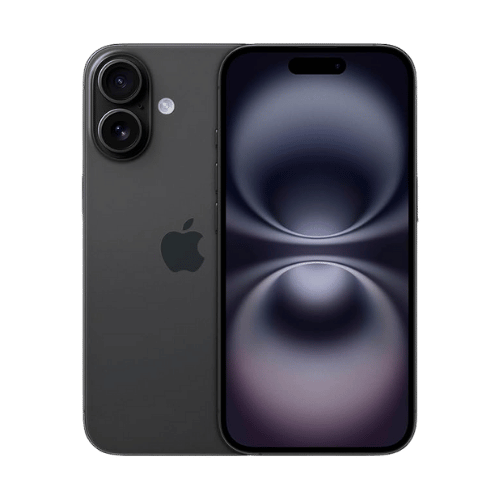
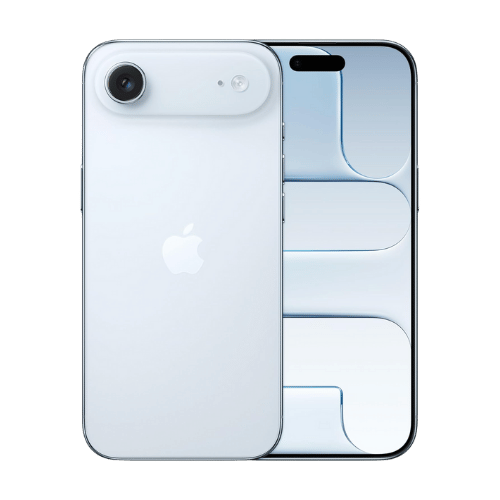
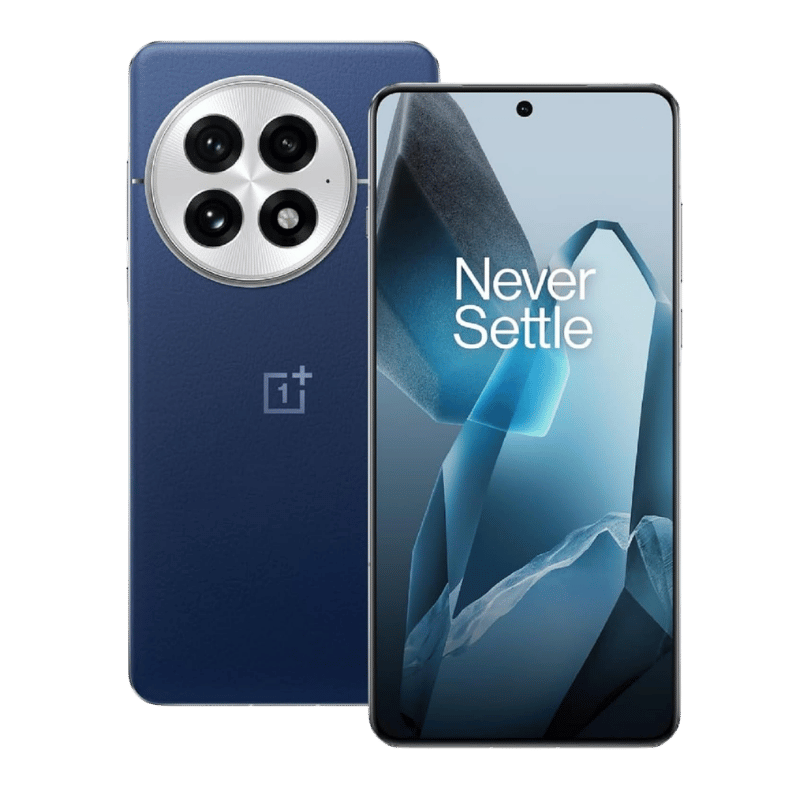
Direct Competitors:
On a Budget? Consider These:
What to Expect Long-Term
Beyond the initial purchase, here's what to consider about owning the Nothing Phone (2):
Durability
Flagship phones with IP68 ratings and quality materials last 4-5 years physically. Battery health drops to 80% after 2-3 years.
Support & Warranty
iPhones get 5-6 years of updates. Samsung and Google offer 4 years; others vary widely.
Upgrade Path
Smartphone technology improves annually, but meaningful jumps happen every 2-3 generations.
Resale Value
Mid-range and budget phones have minimal resale value—treat as consumables.
Final Decision: Should You Buy It?
✓ Buy if:
- You want a stylish phone with a unique design and interface.
- You need a powerful smartphone for gaming or productivity.
- You appreciate a high-quality display for media consumption.
✗ Skip if:
- Photography is a top priority for your smartphone use.
- You require a phone with high durability ratings for outdoor activities.
The Nothing Phone (2) earns its price tag. The Snapdragon 8+ Gen 1 and 6.7" LTPO OLED display alone make it worth it for tech enthusiasts who value performance and design. PageBen recommends this phone for anyone looking to stand out while enjoying reliable performance; the innovative features justify the investment. With up to 12GB of RAM and efficient battery life, it’s a smart choice for those wanting a blend of style and substance.
Quick Questions
+ Is the Nothing Phone (2) worth buying in 2026?
Yes—the Snapdragon 8+ Gen 1 and stunning 6.7" LTPO OLED display make it a standout choice.
+ What are the main pros of Nothing Phone (2)?
Key advantages: Iconic transparent design with functional Glyph Interface lighting; Excellent performance stability with Snapdragon 8+ Gen 1; Power-efficient LTPO OLED display (1-120Hz). These make it a strong choice in the smartphones market.
+ What are the downsides of Nothing Phone (2)?
Main considerations: IP54 rating is lower than IP68 found in competitors (Pixel 7/8, Galaxy S23 FE); Camera system lacks a dedicated telephoto/optical zoom lens; Digital zoom performance (max 10x) is weak compared to class leaders. Consider whether these affect your specific use case.
+ How long will the Nothing Phone (2) last?
Flagship phones with IP68 ratings and quality materials last 4-5 years physically. Battery health drops to 80% after 2-3 years.
+ What warranty does Nothing Phone (2) come with?
iPhones get 5-6 years of updates. Samsung and Google offer 4 years; others vary widely.
+ How does Nothing Phone (2) compare to alternatives?
Competes in the high-end segment alongside 9 other options. Direct competitors include Apple iPhone 16, Apple iPhone 17 Air, OnePlus 13. Check our detailed comparison pages for head-to-head analysis.
+ Where can US buyers get Nothing Phone (2)?
For US buyers, Amazon offers competitive pricing, fast Prime shipping, easy returns, and reliable warranty support. Use our link above to check current availability and pricing—prices can fluctuate frequently.